Crow’s feet are often the first fine lines that make people feel older than they are. You smile in a photo, and the lines that crinkle at the outer corners of your eyes stick around longer than they used to. Some call them character lines. Most of my patients call them distracting. When the goal is to keep a bright, expressive smile without etching it into the skin, thoughtfully placed botox injections to the orbicularis oculi muscle can be transformative. The key is a precise approach, staged expectations, and a provider who respects facial anatomy and your natural expressions.
Why crow’s feet show up first
The skin around the eyes is thin, and the circular muscle that closes the eyelids fires hundreds of times a day, from squinting in sun to smiling. Repeated contraction folds the skin into the same pattern, first as dynamic wrinkles that appear only with expression, and over time as static creases that linger at rest. Contributing factors stack up, such as UV exposure, smoking, dehydration, allergies that lead to eye rubbing, and genetics. If you wore contact lenses in your twenties and spent your thirties laughing in bright light without sunglasses, you will likely see those lateral lines earlier.
How botox softens crow’s feet, in plain terms
Botox is a purified neurotoxin that temporarily relaxes targeted muscles. For crow’s feet, it quiets the outer fibers of the orbicularis oculi, reducing the pull that bunches the skin at the eye corner. The result is smoother skin when you smile, with less creasing traveling toward the temples. This is a wrinkle relaxing treatment, not a filler or a resurfacing procedure. It prevents the repetitive folding that deepens lines and gives the skin a chance to look rested.
Well executed, botox for crow’s feet keeps your smile, just softens the squeeze. Poorly executed, it can flatten expression, cause shelfing under the lower eyelid, or drop the cheek slightly when you grin. Technique and dosing matter more here than almost anywhere on the face.
Who tends to be a good candidate
The best candidates have dynamic crow’s feet, meaning lines that show clearly with smiling or squinting and fade at rest. If lines are etched in at baseline, botox still helps, but results improve when combined with skin quality work such as a light fractional laser, microneedling with radiofrequency, or targeted peels. Patients with very lax lower eyelids, significant eye dryness, or a history of lower lid surgery need careful assessment and sometimes a conservative or alternative plan.
People on blood thinners, with active skin infections in the area, or with neuromuscular conditions should discuss risks with a botox specialist before booking treatment. Pregnancy and breastfeeding are standard times to defer botox, as a safety precaution. If you have a history of keloids, that does not impact botox since the injections are intramuscular with a fine needle and not an incision.
What a thorough botox consultation should cover
A strong botox provider will map your unique movement pattern. I ask patients to smile gently, then hard, and then squint as if in bright sun. I affordable botox NJ look for radiating lines, fan depth, crow’s feet extension toward the temple hairline, and how the lower eyelid behaves. I watch for cheek elevator activity that can be affected by misplaced product. Photos at rest and in expression help set a baseline for later comparison.
We also define your end goal. Some want the lines nearly gone and accept a slightly reduced smile scrunch. Others want subtle softening that reads as well rested, not obviously treated. For first timers, I usually start conservatively, then fine tune at a two week follow up if needed.
What happens during the botox appointment
The appointment is typically quick, often 15 to 20 minutes, and many patients fit it in during a lunch break. After makeup is removed and the skin is cleaned, your injector may mark a few points, though many experienced injectors work from mental landmarks. The needle is fine, about the width of a hair, and most patients describe the sensation as a brief pinch with light pressure. If you are needle sensitive, a few minutes of topical anesthetic or an ice pack helps.
Providers use tiny aliquots distributed along the outer eye, most commonly 3 to 6 injection points per side. I prefer a three zone approach near the lateral canthus, slightly above and slightly below in an arc, keeping a respectful distance from the lower eyelid margin to avoid diffusion that can weaken eyelid support. Some patients benefit from a small lateral temple point when lines extend far out.
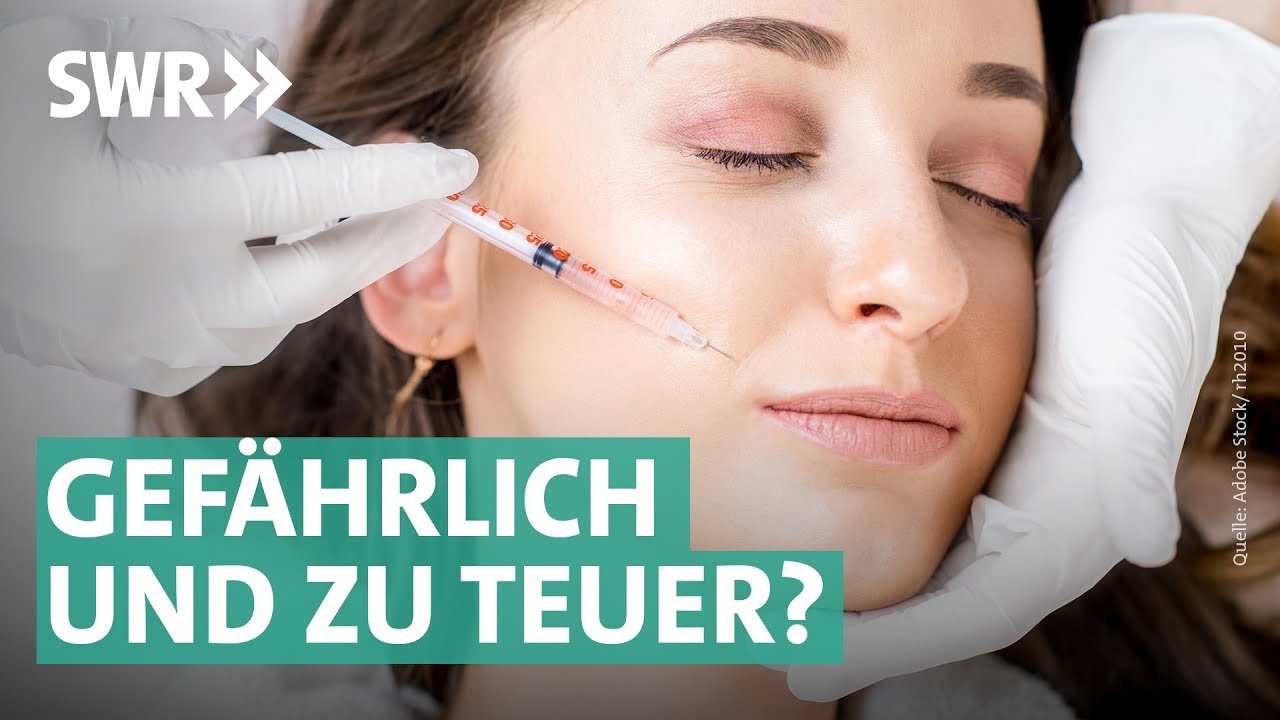
Bleeding is minimal, and small blebs flatten within minutes. Makeup can be reapplied after a short wait if the skin is intact.
Typical dosing and patterns, and why less can be more
Dosing is measured in units. For crow’s feet, many adults do well within a range of 6 to 12 units per side, adjusted for muscle strength, gender, and desired intensity of smoothing. Stronger muscles or deeper lines may need more, while patients with fine, papery skin often need less to avoid the frozen look. Men often require higher total dosing, but I still start measured and adjust.
It is tempting to chase every fine line. That temptation leads to over treatment and flat smiles. A better approach is to calm the core crinkling and accept that a hint of feathering near the temple preserves authenticity. It also lowers the risk of unwanted effects such as a lower eyelid that sits a fraction lower, which can reveal sclera and look tired.
Does it hurt, and will there be downtime
Pain is brief and mild for most. Ice or a vibratory distraction tool reduces sensation. Expect a few tiny red spots that settle within an hour. Bruising is uncommon but possible, especially if you took aspirin, ibuprofen, fish oil, or alcohol in the day before treatment. If a bruise forms, it is usually small and easy to cover.
You can return to normal tasks right away, with a few smart restrictions. Avoid strenuous exercise, head down yoga, or massage for about 4 hours, and skip facials, saunas, and tight goggles for the rest of the day. These precautions reduce the chance of product shifting where you do not want it.
How soon botox results appear and how long they last
Early softening starts at 3 to 5 days. The full effect settles by two weeks, which is why providers schedule follow ups around that mark. If you need a touch more, a small top up pinch is safer and more accurate than guessing on day one.
Duration varies by metabolism and dose, commonly 3 to 4 months. Some patients stretch to 5 months, others sit closer to 10 to 12 weeks. Regular, well spaced sessions can train the muscle to over recruit less, which may extend results modestly over time. If you stop, the muscle resumes baseline activity and lines reappear. You do not age faster because you used botox. You simply return to your genetic timeline.
How to keep your smile natural
Natural results come from restraint, placement, and a candid conversation about how you use your face. When I watch a patient smile, I note whether their cheek pushes up strongly and whether they pull the nose or the upper lip. If the smile is very cheek dominant, I stay higher and more lateral with injections to avoid dulling the lift. If the lower eyelid skin is thin and lax, I avoid low points that can create a rippled shelf.
Many patients ask about a tiny brow lift with their crow’s feet session. Gentle relaxing of the orbicularis near the tail of the brow can let the forehead elevators lift slightly, creating a 1 to 2 millimeter brow tip lift. That can open the eyes in photos. It must be done judiciously, paired with respect for the frontalis and the risk of imbalance.
Safety, side effects, and what to watch for
Standard side effects are mild and pass quickly. Expect pinpoint redness, possible swelling where the needle went in, and rare small bruises. Headaches occur for a minority in the first day or two, typically mild.
Less common issues include dry eye symptoms, especially if you already struggle with tear film stability. Artificial tears before bed and in the first week help. Asymmetry can happen if one side takes more strongly than the other, which is why a two week follow up is useful. Over relaxation of the lower orbicularis may make the eye feel more open than you like when you smile. Skilled placement and conservative dosing prevent this most of the time, and small corrective tweaks are possible.
Allergic reactions are extremely rare. Botox used for cosmetic purposes has a long safety record when injected by trained professionals. If you have a history of neuromuscular disease, or you take certain antibiotics like aminoglycosides, disclose that to your injector.
What botox can and cannot do for crow’s feet
Botox smooths lines made by muscle movement. It does not plump hollowing at the lateral cheek, erase etched in static lines that look like tiny cracks in parchment, or resurface crepey skin. For those issues, adjuncts help. Fractional lasers thicken dermis and improve texture, hyaluronic acid skin boosters add hydration and fine line support, and medical grade eye skin care with retinoids, antioxidants, and daily SPF defends the gains. The best outcomes often pair botox with one or two of these, spaced appropriately.
Cost, price variability, and value
Pricing varies by geography, injector experience, and clinic model. You may see per unit pricing, often in the range of 10 to 20 dollars per unit in many US clinics, or a flat area price. For crow’s feet, typical totals land around 12 to 24 units combined, sometimes more for stronger muscles, which places most treatments between a few hundred dollars and the low half thousands in premium markets. Beware of unusually low botox price offers. Product authenticity, dilution practices, and injector time matter. If a deal looks too good, it may involve over dilution or inexperienced hands.
Ask for a botox treatment cost estimate during your consultation and clarify whether a touch up at two weeks is included. Many reputable clinics include minor balancing, while larger additions are billed per unit.
Choosing a provider when you search “botox near me”
Credentials and outcomes trump convenience, but you can have both. Look for a clinic that treats aesthetic medicine as a medical specialty, not a sales script. A certified injector or physician assistant under a doctor’s oversight is standard in many regions. Review before and after photos that match your age range and skin type, and scan for natural smiles rather than frozen eyes. During the botox consultation, notice whether you feel rushed. A provider who asks how you express, checks eyelid tone, and talks through risks is a provider who will likely deliver measured results.
If you wear contact lenses, if your eyes tear easily, or if you have seasonal allergies that make you squint, bring that up. These details shape dose and placement.
Special scenarios I consider in real practice
Men often need a few more units to counter larger muscle mass, but heavy dosing can masculinize the smile in the wrong way. I often balance with slightly more lateral spread and incremental additions over two visits.
Patients with high cheekbones and a powerful malar lift smile can look odd if the lower orbicularis is over relaxed. In those faces, I prioritize upper lateral points and may accept a whisper of lines near the zygomatic arch to keep the smile dynamic.
For patients with asymmetric smiles, I map the stronger side carefully and may give one or two more units there. If you habitually squint one eye in bright light or while reading, that side often needs slightly more attention.
Ethnic skin tones that show less fine creasing at rest can still bunch with expression. The goal is not to chase lines that are barely visible at baseline. It is to prevent repetitive crumpling that can pattern pigment or texture over time.
Combining botox with other treatments for best results
When crow’s feet lines are fine and dynamic, botox alone performs beautifully. When static lines settle in, I plan staged care. A light fractional laser session, such as a non ablative 1,540 to 1,550 nanometer pass, improves dermal support with quick recovery. Microneedling with radiofrequency can also help thicken and smooth the periorbital skin. For crepe at the outer eye, dilute calcium hydroxylapatite or a gentle HA skin booster in the temple and lateral cheek can subtly backfill and hydrate, though I avoid placing fillers directly into the thin crow’s feet skin.
Medical grade skincare fills the daily gap. A pea sized retinoid two to three nights per week, titrated to comfort, vitamin C serum in the morning, and a broad spectrum SPF 30 or higher every day protect results. Sunglasses with proper UV protection, not fashion lenses without UV filtering, matter more than most realize.
A brief comparison to other wrinkle treatments around the eyes
- Botox for crow’s feet: best for movement lines, quick session, results in days, lasts 3 to 4 months, low downtime. Fillers near the crow’s feet: limited use due to thin skin, better placed in lateral cheek or temple to support the area, not to erase the lines themselves. Laser or RF microneedling: improves texture and static lines, gradual results over weeks, complements botox by improving skin quality. Topicals and peels: helpful for tone and fine texture, maintenance care, do not replace botox for dynamic wrinkles. Energy based skin tightening: mild lift when laxity is present, variable results, often part of a broader plan.
What before and after really looks like
Good before and after photography shows eyes at rest and in full smile, with identical lighting and framing. The most honest comparison highlights smoother lateral radiating lines without erasing the spark in the eyes. At rest, the outer eye looks fresher. In motion, the crinkling is softer and does not march as far toward the temples. The goal is not a poker face. It is a face that looks rested in motion and in stillness.
Myths I hear weekly
Botox will freeze my face. When placed well, you will absolutely still smile. The muscle relaxes, it does not die. The effect is dose dependent and location specific.
Botox stretches the skin. The skin is not being stretched by botox. It is folded less. Over time, that can slow the engraving of deeper lines.
Starting early means I will need more later. Starting when lines are dynamic often lets you use modest doses and maintain smoother skin. You can stop anytime without rebound aging.
Creams can replace botox. Quality skincare improves tone and texture, but it cannot halt a muscle from contracting. They work together, not as substitutes.
What to do before and after your botox session
- Two to three days before: minimize alcohol, fish oil, high dose vitamin E, and NSAIDs to reduce bruising risk, after checking with your doctor. Day of treatment: arrive with clean skin if possible, avoid heavy creams around the eyes, and bring sunglasses if you are light sensitive post treatment. First 4 hours after: keep your head upright, avoid strenuous exercise and rubbing the area, skip sauna and hot yoga. First night: sleep with your head slightly elevated if you are bruise prone, use a gentle cleanser and skip actives around the eyes. First week: watch the effect develop, use artificial tears if you feel dry, and hold off on facial massages.
When botox is not the right answer
If your primary concern is loose upper or lower eyelid skin that drapes or bulges, a surgical blepharoplasty consultation might be more appropriate than trying to force a non surgical wrinkle treatment to do a lifting job. If you have significant sun damage with pigment and texture changes, plan for resurfacing or a pigment protocol with or without botox. If you suffer from severe eye dryness that worsens with any reduction in blink force, proceed very cautiously or opt for alternative strategies such as sun control, skincare, and laser.
How often to schedule, and how to budget
Most patients return every 3 to 4 months. A few prefer a lighter, more frequent pattern to maintain a soft touch year round. If you track your personal duration over two or three cycles, you can space visits to match your metabolism. Some clinics offer memberships that discount botox cosmetic injections when you schedule on a regular cadence. Ask what is included, confirm the product brand, and avoid contracts that push unnecessary add ons.
A note on medical uses that sometimes overlap
Botox is not only a cosmetic treatment. It treats medical conditions such as chronic migraine and hyperhidrosis. While botox medical injections for migraine target different muscle groups, patients sometimes notice cosmetic side benefits if the forehead or temple areas are involved. Keep your providers informed across specialties so dosing remains coordinated and safe.
What I look for in a follow up visit
At two weeks, I compare photos, assess symmetry, and ask you to smile at different strengths. If there is still heavy crinkling in a specific fan, I consider a one to two unit tweak. If the lower eyelid looks too open, I leave it alone and let the body metabolize naturally rather than compounding the effect. A thoughtful injector values restraint as much as action.
Practical questions I hear often
How soon can I wear makeup again? As soon as the injection sites close, usually after 10 to 15 minutes. Use clean brushes that do not drag.
Can I fly the same day? Yes. Cabin pressure does not impact botox effects.
Does saline dilution or brand change my outcome? Reputable brands and standard dilutions produce consistent results in skilled hands. Your injector’s placement and dosing judgment matter more than tiny differences in dilution strategy.
Will I build resistance? True antibody mediated resistance is rare in cosmetic dosing, especially with modern formulations and typical intervals. Sticking to standard intervals and avoiding unnecessary marathon dosing helps.
Can botox lift my whole face? No. It relaxes targeted muscles. For lifting, you are looking at tissue support with fillers in safe zones, energy based tightening, or surgery depending on the degree of laxity.
If you are booking your first botox appointment
First timers benefit from a measured plan. Start on the conservative side and live in the results for two weeks. Tell your injector what you liked and what you would change. The second treatment is where personalization shines. For many, the combination of smoother crow’s feet, a slight brow lift if indicated, and good sun habits brings back the ease of smiling for photos without second guessing the lines.
A final practical note. If you are browsing for a botox clinic, scan reviews for comments about listening, follow up care, and natural results, not just quick appointments. A botox provider who treats your face like a map rather than a template gives you better odds of the outcome you want.
A short checklist to make the most of your session
- Arrive with clear goals, show smiling photos you like of yourself. Share medical history and eye details such as dryness or contact lens use. Ask for a dose range, not just a flat area quote, and request a two week review. Plan light activity the day of treatment and avoid rubbing or heavy sweat. Protect your investment with SPF and sunglasses, and consider skin quality upgrades if static lines remain.
When done thoughtfully, botox treatment for crow’s feet lets you smile without creases stealing the scene. You keep your expression, your photos look more like how you feel, and the mirror meets you with a rested gaze. That balance is what a good botox session delivers, quietly and repeatably, season after season.